In a world overflowing with stuff, waste reduction strategies are the superhero we didn’t know we needed. Imagine if every plastic bottle and food scrap could magically transform into something useful instead of heading straight to a landfill. Spoiler alert: it can! By embracing clever tactics, individuals and businesses can cut down on waste while saving money and the planet.
From composting like a pro to mastering the art of minimalism, these strategies not only lighten the load on Mother Earth but also give your wallet a little extra love. So, if you’re ready to turn trash into treasure and become a waste warrior, buckle up! It’s time to dive into the fun and effective ways to reduce waste and make a positive impact. Who knew being eco-friendly could be this entertaining?
Overview of Waste Reduction Strategies
Waste reduction strategies play a crucial role in alleviating environmental challenges. Individuals can adopt measures such as recycling, composting, and reusing to lessen their ecological footprint. Businesses benefit from implementing waste audits to identify excess materials and streamline processes.
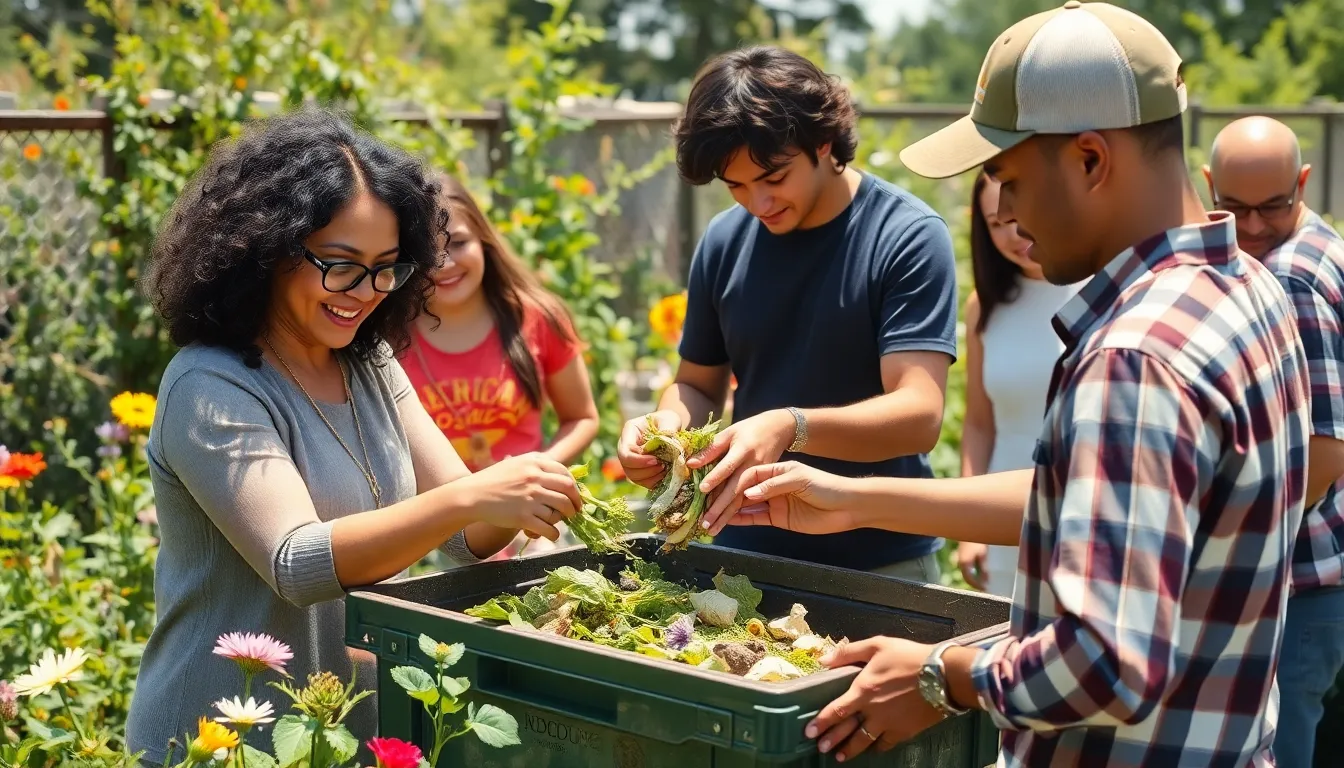
Composting organic waste represents one effective tactic. By transforming food scraps into nutrient-rich soil, people can nourish gardens while minimizing garbage sent to landfills. Moreover, recycling materials like paper, metal, and glass preserves natural resources and reduces energy consumption.
Minimalism promotes simplicity by encouraging individuals to focus on essential items. By purchasing only needed goods, people can drastically cut down on waste generation. Practices like purchasing in bulk offer another method to minimize packaging waste while saving money.
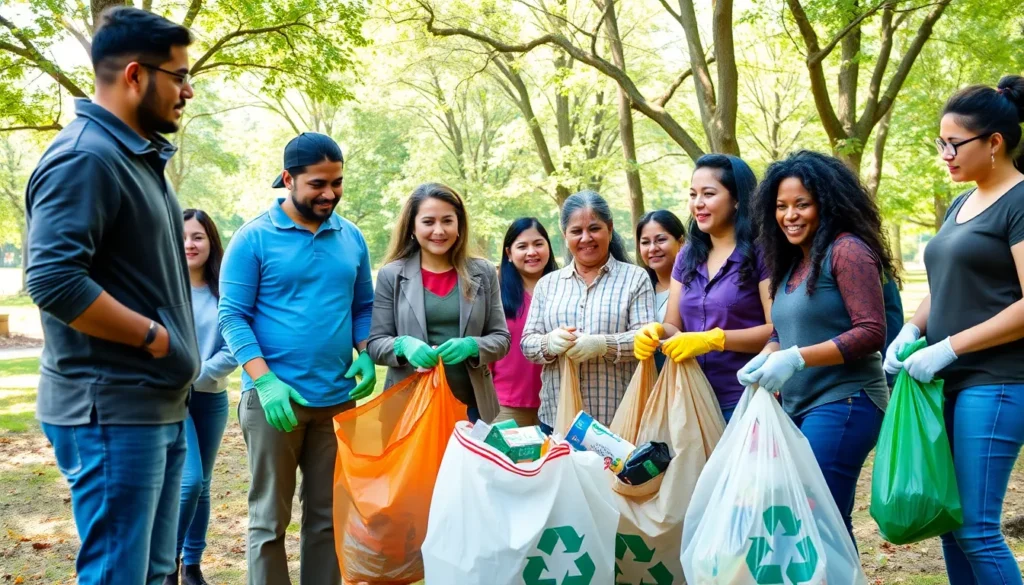
Educating communities also proves beneficial. Workshops on reducing waste, sharing tips on eco-friendly practices, and engaging in local clean-ups foster a culture of sustainability. Additionally, supporting local businesses that prioritize sustainable practices encourages a circular economy.
Each of these strategies contributes to a broader understanding of waste management. They emphasize a proactive approach to resource conservation, paving the way toward a sustainable future. With combined efforts, small changes compound into significant impacts on waste generation and environmental health.
Importance of Waste Reduction
Waste reduction is vital for sustaining the environment and promoting economic growth. Implementing effective strategies not only benefits nature but also creates tangible financial savings.
Environmental Benefits
Reducing waste plays a significant role in minimizing pollution and conserving resources. It cuts down on landfill usage, directly affecting greenhouse gas emissions. Diverting items like plastic and food waste transforms potential pollutants into valuable resources. Composting organic materials produces nutrient-rich soil, enhancing ecosystem health. Recycling other materials lessens the demand for virgin resources, preserving forests and natural habitats. The reduction of single-use plastics lessens marine pollution, protecting aquatic life. These environmental advantages help foster a healthier planet for future generations.
Economic Impact
Waste reduction strategies yield substantial economic benefits. Businesses reducing waste can enhance their bottom line through lower disposal costs. Increasing efficiency in production processes often leads to decreased expenses. Saving on raw materials by recycling allows companies to invest those funds elsewhere. Community initiatives centered on waste reduction can boost local economies, creating jobs in recycling and composting sectors. Individuals embracing minimalism tend to spend less on non-essential items, freeing up funds for experiences or sustainable products. Overall, prioritizing waste reduction promotes financial stability while supporting a healthier environment.
Key Waste Reduction Strategies
Effective waste reduction strategies aim to minimize environmental impact while benefiting economic growth. Several approaches exist to address waste generation.
Source Reduction
Source reduction focuses on decreasing waste at its origin. Businesses can assess their production processes to eliminate unnecessary materials. Individuals can opt for products with minimal packaging, which cuts down waste. Incorporating reusable items into daily life proves essential in reducing consumption of single-use materials. Producing less waste leads to lower disposal costs and a smaller ecological footprint.
Recycling and Composting
Recycling and composting play crucial roles in waste management. Recycling transforms materials like paper, glass, and metals into new products, significantly conserving natural resources. Businesses can implement recycling programs to facilitate proper disposal and increase recycling rates. Composting organic waste, such as food scraps and yard trimmings, creates nutrient-rich soil, enriching gardens and reducing landfill burden. Both practices emphasize valuable resource recovery and contribute to environmental sustainability.
Product Life Extension
Extending the lifespan of products reduces the need for new items. Repairing broken items, sharing tools with neighbors, and donating unused goods are all effective strategies. Consumers can prioritize quality over quantity by choosing durable products that withstand wear and tear. Businesses can adopt take-back programs that encourage customers to return old items for recycling or refurbishment. These practices not only lessen waste but also promote a circular economy that values resources.
Community Involvement in Waste Reduction
Community involvement plays a crucial role in implementing effective waste reduction strategies. By engaging residents, local organizations can foster a collective approach toward minimizing waste generation.
Educational Initiatives
Educational initiatives promote awareness about waste reduction. Workshops and seminars inform communities about recycling, composting, and sustainable practices. Schools can integrate waste reduction topics into their curriculums, equipping students with knowledge that lasts a lifetime. Programs targeting diverse age groups further enhance understanding, creating a culture of environmental stewardship. Engaging local experts in these initiatives can deepen insights while providing practical examples of reducing waste.
Local Programs and Policies
Local programs and policies significantly impact waste reduction efforts. Municipalities can implement recycling programs that simplify the process for residents and businesses. Incentives for composting, such as discounts on waste disposal fees, encourage participation in sustainable practices. Policies mandating reductions in single-use plastics promote more environmentally-friendly alternatives. Collaborations with local businesses often lead to innovative solutions that boost community engagement. Tracking progress through annual reports can highlight successes and areas needing improvement, reinforcing commitment to waste reduction.
Embracing waste reduction strategies is vital for creating a sustainable future. By adopting practices like composting and recycling individuals and businesses can significantly lessen their environmental impact while enjoying the benefits of a cleaner planet. These strategies not only conserve resources but also promote economic efficiency.
Community involvement plays a crucial role in fostering a culture of sustainability and awareness. As more people engage in waste reduction efforts the collective impact can lead to a healthier ecosystem. Each small action contributes to a larger movement toward minimizing waste and protecting the environment for future generations.
It’s clear that prioritizing waste reduction is a win-win for both the planet and the economy.