Math can sometimes feel like a foreign language, but it doesn’t have to be a daunting task. Take “7/8 divided by 2,” for example. At first glance, it might seem like a puzzle only a math wizard could solve. But fear not! With a little guidance, even the most math-averse can tackle this fraction with confidence.
Imagine slicing a delicious pizza into eighths and then sharing it with a friend. That’s essentially what this division problem is all about. By breaking it down into simpler steps, anyone can master the art of dividing fractions. So grab your calculator or a pencil, and let’s dive into the world of fractions. Who knew math could be this tasty?
Understanding Fraction Division
Understanding how to divide fractions is crucial in math. By grasping the process, one can easily tackle problems like “7/8 divided by 2.”
The Concept of Fraction Division
Fraction division involves reciprocal multiplication. When dividing by a fraction, one must multiply by its reciprocal instead. In this case, dividing 7/8 by 2 translates to multiplying 7/8 by 1/2. This results in 7/16. Simplifying fractions through multiplication clarifies the problem and makes calculations straightforward.
Importance in Mathematics
Mastering fraction division enhances problem-solving skills. It plays a pivotal role in higher-level math and real-world applications. Understanding fraction division is essential for various fields, including engineering and finance. Additionally, it provides a foundational skill for tackling more complex concepts like ratios and proportions. By recognizing the relevance of fraction division, learners appreciate its significance in everyday situations.
Calculation of 7/8 Divided by 2
Dividing 7/8 by 2 simplifies to multiplying by the reciprocal of 2. The reciprocal of 2 is 1/2. Therefore, the calculation becomes 7/8 multiplied by 1/2.
Step-by-Step Breakdown
First, multiply the numerators. Seven multiplied by one equals seven. Next, multiply the denominators. Eight multiplied by two equals sixteen. Consequently, this results in a new fraction, 7/16. Lastly, this fraction is already in its simplest form, as 7 and 16 share no common factors.
Visual Representation
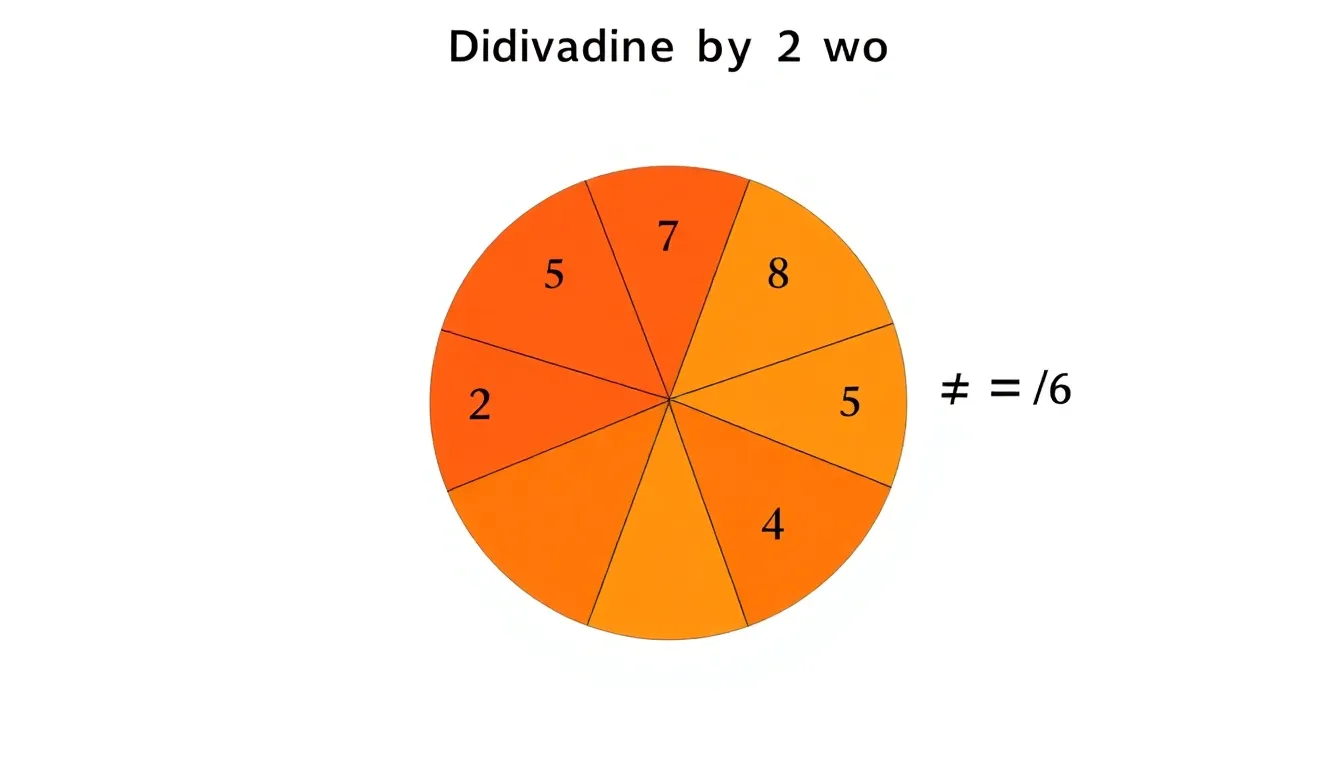
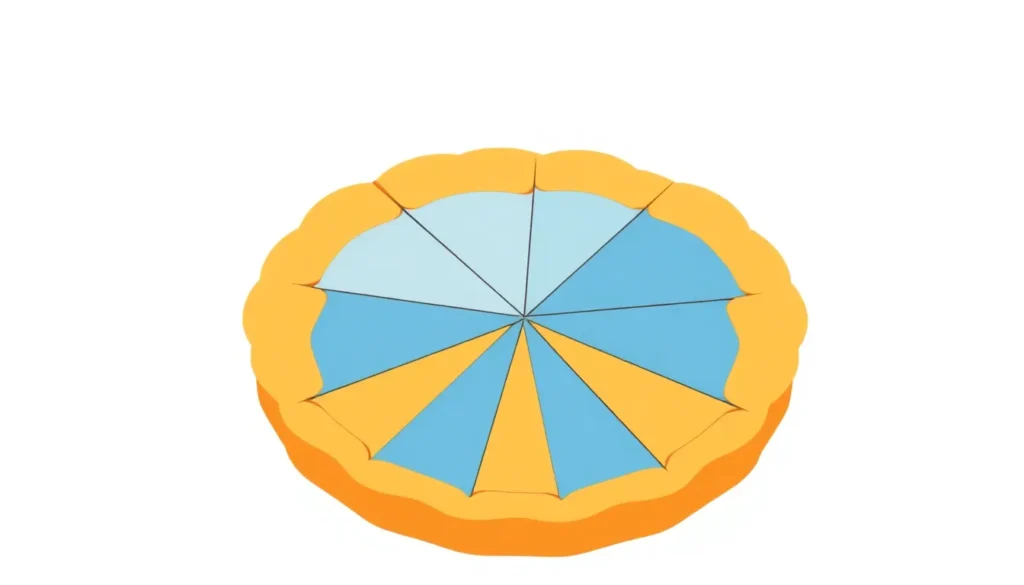
To visualize 7/8 divided by 2, consider a pie divided into eight equal slices. Seven slices represent 7/8 of the pie. When dividing it by 2, each piece becomes smaller. Each of the original seven slices now splits into two smaller pieces, creating a total of 16 slices. The visual of 7 slices out of 16 illustrates the outcome of the division perfectly.
Practical Applications
Understanding the division of fractions, such as 7/8 divided by 2, finds relevance in many practical scenarios.
Real-Life Scenarios
Cooking often requires precise measurements. For instance, a recipe that calls for 7/8 cup of oil can be halved for a smaller dish, resulting in 7/16 cup. Home improvement projects also benefit from fraction division. When cutting wood, determining lengths accurately ensures proper fitting and material usage. Budgeting is another area where this math applies. If a monthly expense totals 7/8 of a budget category, dividing that by two aids in estimating costs for two separate categories.
Educational Significance
Mastering fraction division is essential for academic growth. It strengthens mathematical foundations crucial in subjects like algebra and geometry. A student proficient in dividing fractions gains confidence and problem-solving skills. Challenging equations often require the use of fractions, and understanding division prepares students for advanced topics. Additionally, educators emphasize this concept to help students relate math to daily life. Practical exercises often illustrate the significance of fractions, fostering interest in math. Students equipped with these skills may excel in future educational pursuits.
Common Misconceptions
Many misconceptions surround the division of fractions, particularly with examples like “7/8 divided by 2.” Understanding these errors helps clarify the mathematical process.
Error Patterns in Division
Confusion often arises from misapplying the division rules. Some individuals mistakenly believe that dividing by a whole number simply reduces the numerator. Others think it involves adding or multiplying. Dividing fractions requires using the reciprocal method consistently. Ignoring this step leads to incorrect results. Learning to recognize these patterns of errors enables individuals to avoid pitfalls when solving similar problems.
How to Avoid Mistakes
Following a clear, systematic approach reduces mistakes in fraction division. First, convert the division problem into multiplication by the reciprocal. Then, double-check each step meticulously. It’s beneficial to visualize the division with diagrams, such as pie charts, to grasp the concept of splitting parts effectively. Practice with diverse examples enhances skill and builds confidence. Engaging with additional resources reinforces learning.
Mastering the division of fractions like “7/8 divided by 2” opens doors to greater mathematical understanding. This skill not only enhances problem-solving abilities but also plays a vital role in various real-life applications. Whether it’s adjusting recipes or making precise measurements in projects, knowing how to divide fractions can simplify everyday tasks.
By embracing a systematic approach and utilizing visual aids, anyone can tackle fraction division with confidence. This foundational knowledge is essential for success in higher-level math and can help students relate mathematical concepts to their daily lives. With practice and the right resources, individuals can overcome misconceptions and build a strong mathematical foundation that will serve them well in their educational journeys.